
01 项目认知:什么是社区设计?
01 What is the Community Project?
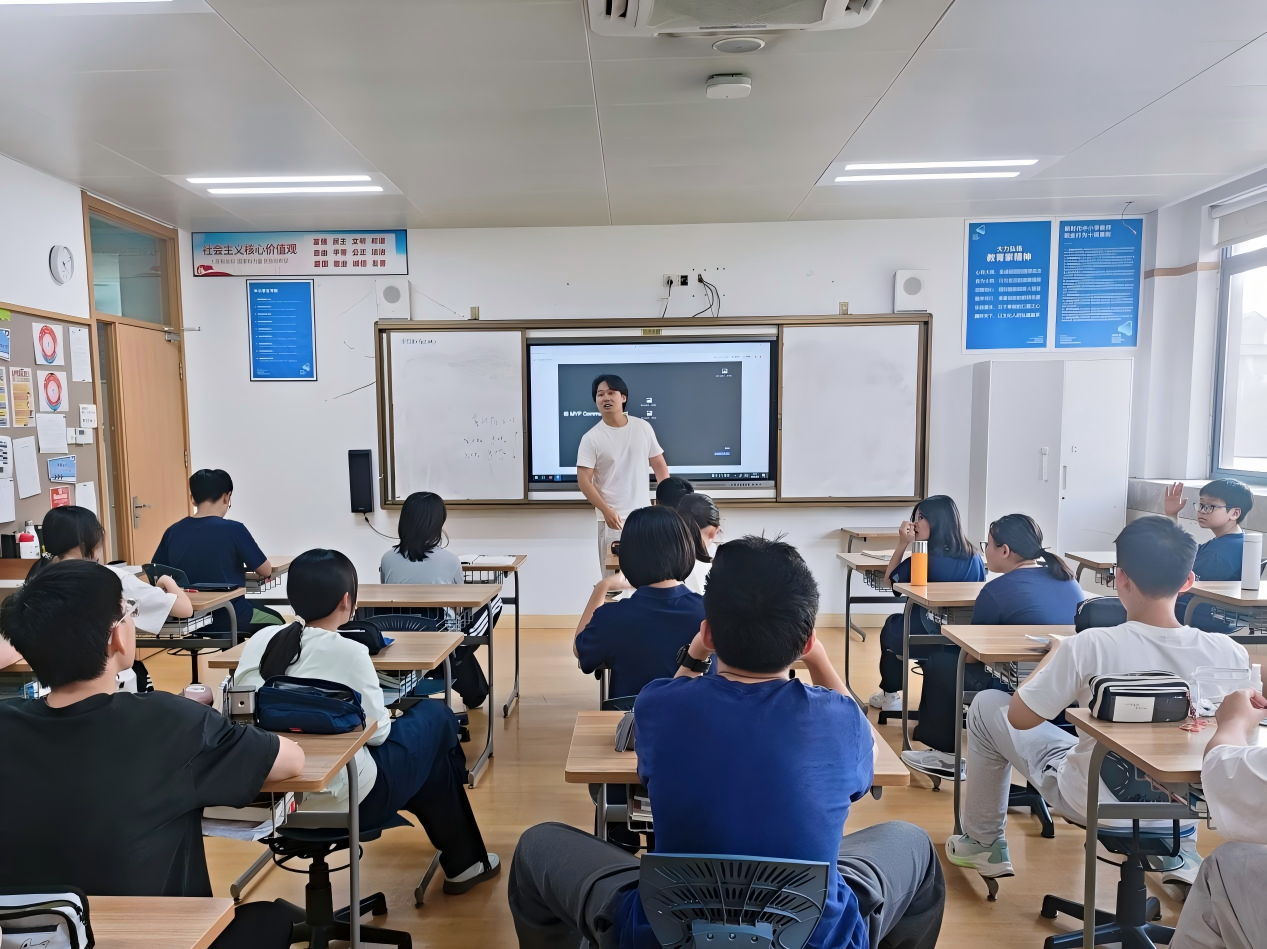
在MYP 3或4年级结束项目的学校,学生需在最后一年完成社区设计,投入约15小时,包括与导师面谈、独立研究、规划行动和完成报告。它强调学生主动探究,而非被动完成任务。
In schools where the programme ends in MYP year 3 or year 4, students must complete the Community Project in their final year, spending approximately 15 hours on meetings with supervisors, independent research, planning action and completing the report. It emphasizes active student inquiry rather than passive completion of tasks.
02 学生角色:主动推进,导师护航
02 The Student's Role: Students Take the Lead, Supervisors Support
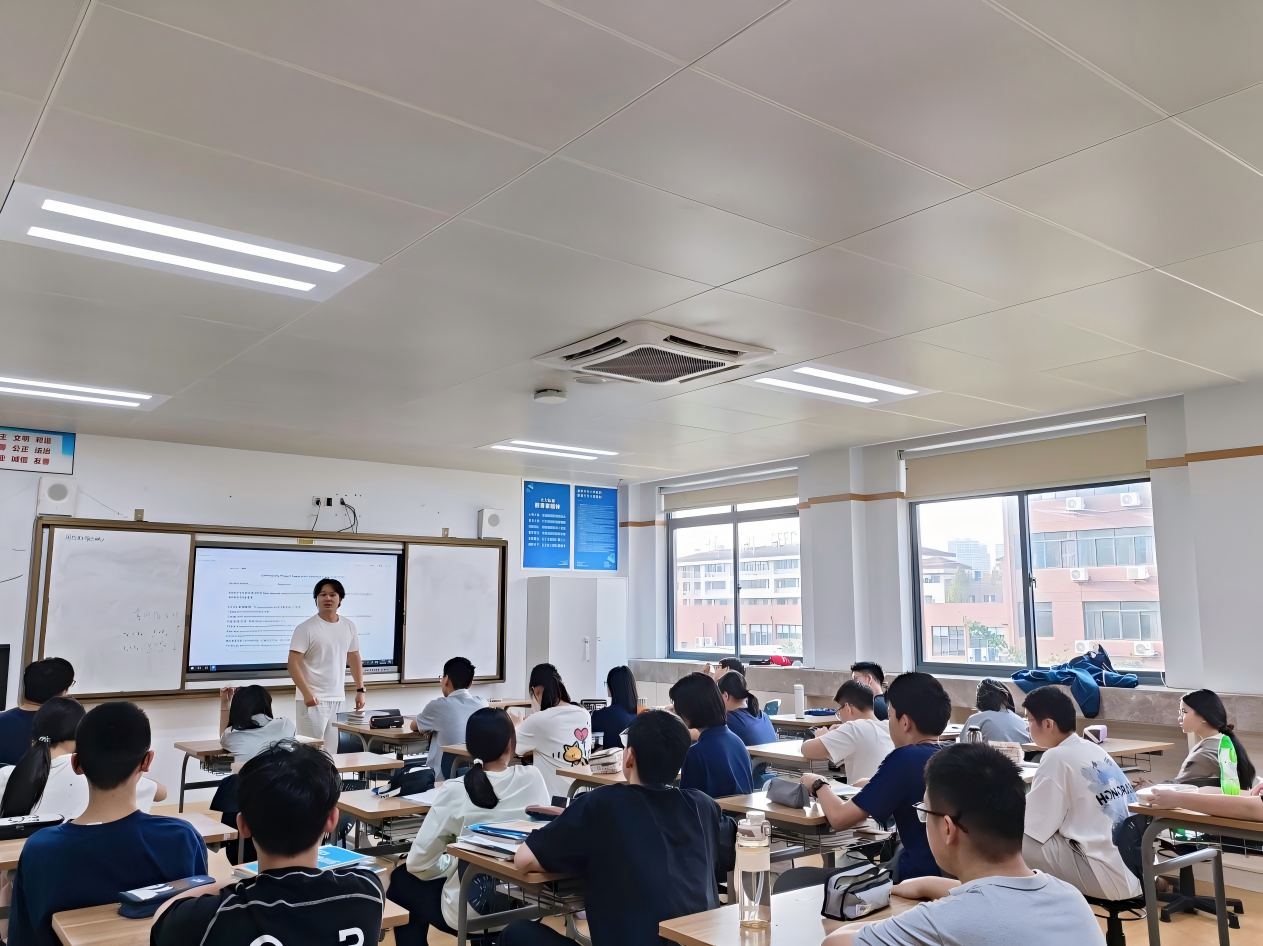
学生需阅读手册、主动与导师沟通、按时推进项目、记录过程日志并遵守学术诚信。导师提供引导与反馈,但不会替学生思考或完成项目。师生双选会帮助学生找到合适的导师,开启合作。
Students are expected to read the handbook, communicate proactively with their supervisors, advance the project on schedule, keep a process journal and follow academic honesty requirements. Supervisors provide guidance and feedback, but will not think or complete the project for students. The Student-Supervisor Matching Event helps students find suitable supervisors and begin their collaboration.
03 行动类型:服务社区,形式多元
03 Types of Action: Serving the Community in Multiple Ways
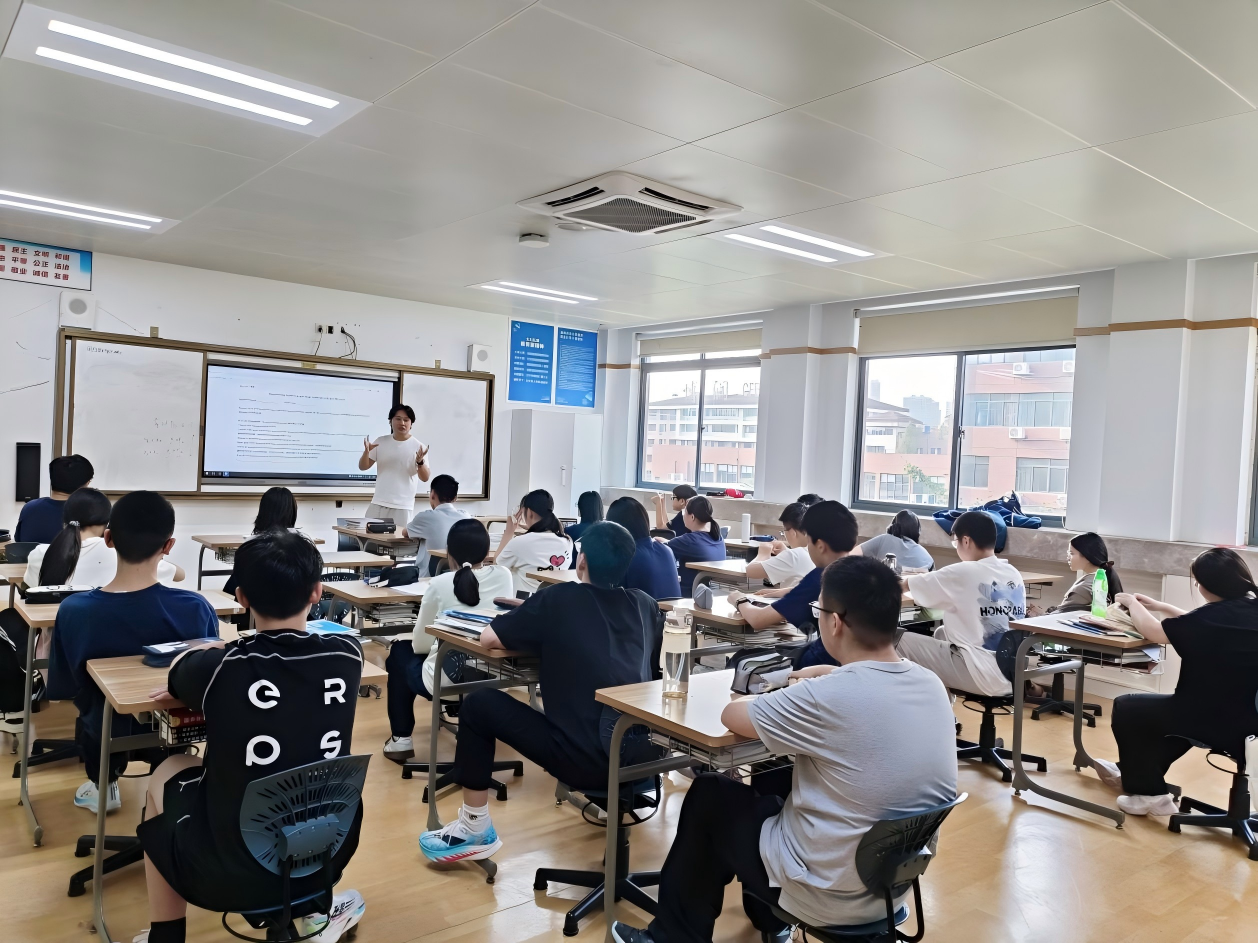
社区设计行动包括直接服务、间接服务、宣传倡导和研究。学生可以从人与环境、社区议题、公共政策等真实需要出发,选择适合的服务行动,让学习与社区产生真实连接。
Community Project actions include Direct Service, Indirect Service, Advocacy and Research. Students can start from real needs related to people and the environment, community issues or public policy, and choose suitable service actions that connect learning with the community.
04 探究框架:全球背景与核心问题
04 Inquiry Framework: Global Contexts and Core Questions
社区设计依托六大全球背景:特征/认同和关系、时空定位、个人表达与文化表达、科学与技术的创新、全球化和可持续发展、公平与发展。学生需不断追问:我想达到什么目标?我想让谁了解什么?我希望产生什么影响?背景如何让项目更有意义?
The Community Project is built on six Global Contexts: Identities and Relationships, Orientation in Space and Time, Personal and Cultural Expression, Scientific and Technical Innovation, Globalization and Sustainability, and Fairness and Development. Students need to keep asking: What goal do I want to achieve? Who do I want to understand what? What impact do I want to have? How can the context make my project more meaningful?
05 过程日志:记录成长的每一步
05 Process Journal: Recording Every Step of Growth
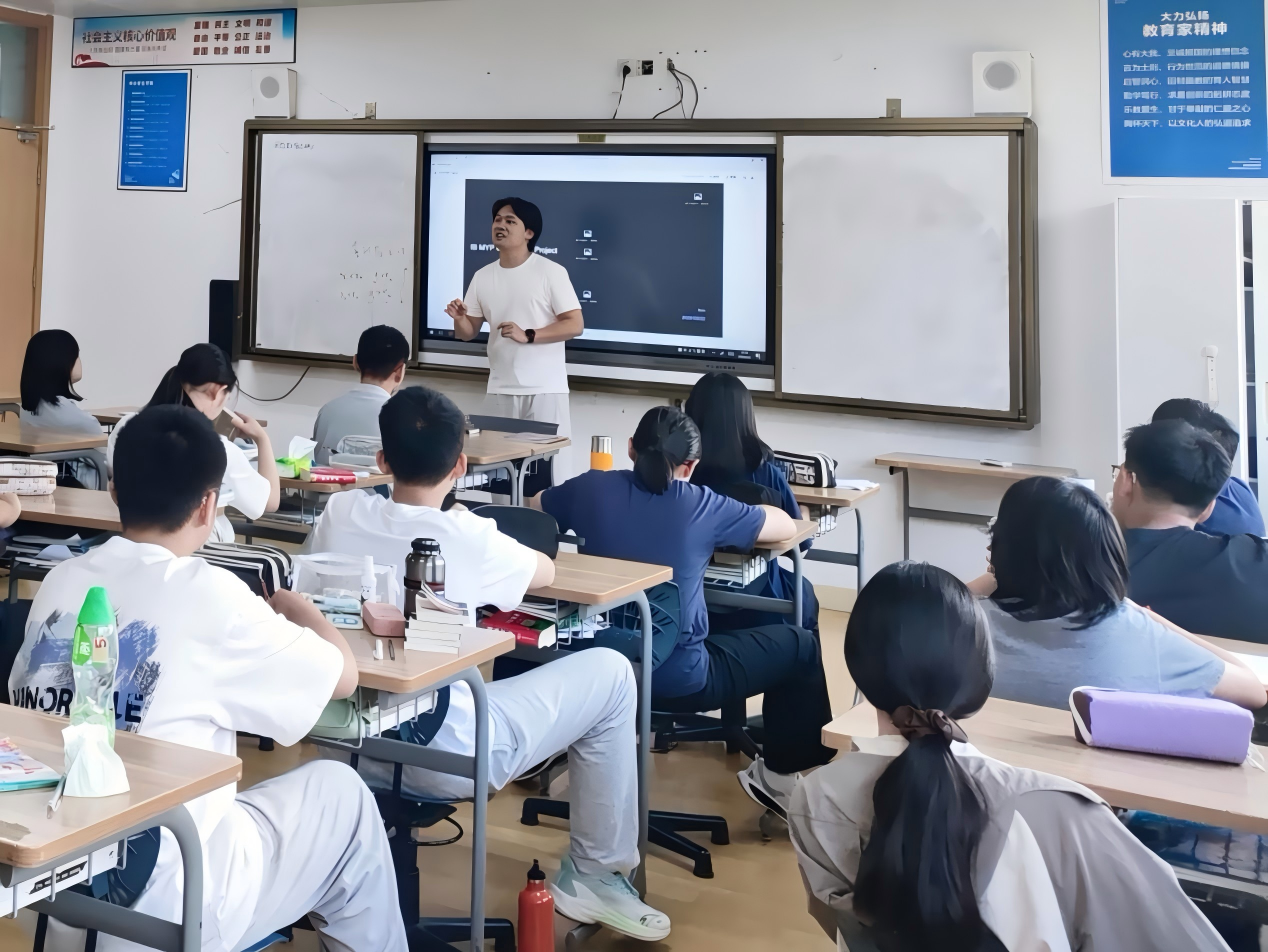
过程日志贯穿社区设计始终,用于记录想法、调研、行动、反馈与反思。形式可灵活多样,如思维导图、笔记、照片、音频、视频、截图等。最终需选择日志精选,并在报告中提交不超过12篇摘录,且必须包含行动方案。
The Process Journal is used throughout the Community Project to record ideas, research, action, feedback and reflection. Formats can be flexible and varied, such as mind maps, notes, photos, audio, videos and screenshots. Finally, students need to select journal extracts and submit no more than 12 extracts in the report, which must include the Proposal for Action.
06 评估与展示:让想法被看见
06 Assessment and Presentation: Making Ideas Visible
社区设计围绕四个目标评估:开展调研、制定计划、采取行动、进行反思。学生将完成社区设计报告,并进行口头展示:个人6—10分钟,小组10—14分钟。报告需包括讲稿、APA参考文献、过程日志摘录和学术诚信表格。
The Community Project is assessed against four objectives: Investigating, Planning, Taking Action and Reflecting. Students will complete a Community Project report and give an oral presentation: 6–10 minutes for individuals and 10–14 minutes for groups. The report should include the script, APA references, Process Journal extracts and the academic honesty form.
07 时间与展望:分阶段推进
07 Timeline and Outlook: Progressing in Stages
社区设计将经历启动、调研、计划、行动、反思、报告与展示等阶段。2026年1月8日,我们将举行社区设计展览,见证同学们的探究成果与社区行动。
The Community Project will progress through stages including launch, investigation, planning, action, reflection, reporting and presentation. On January 8, 2026, we will hold the Community Project Exhibition to witness students' inquiry outcomes and community action.
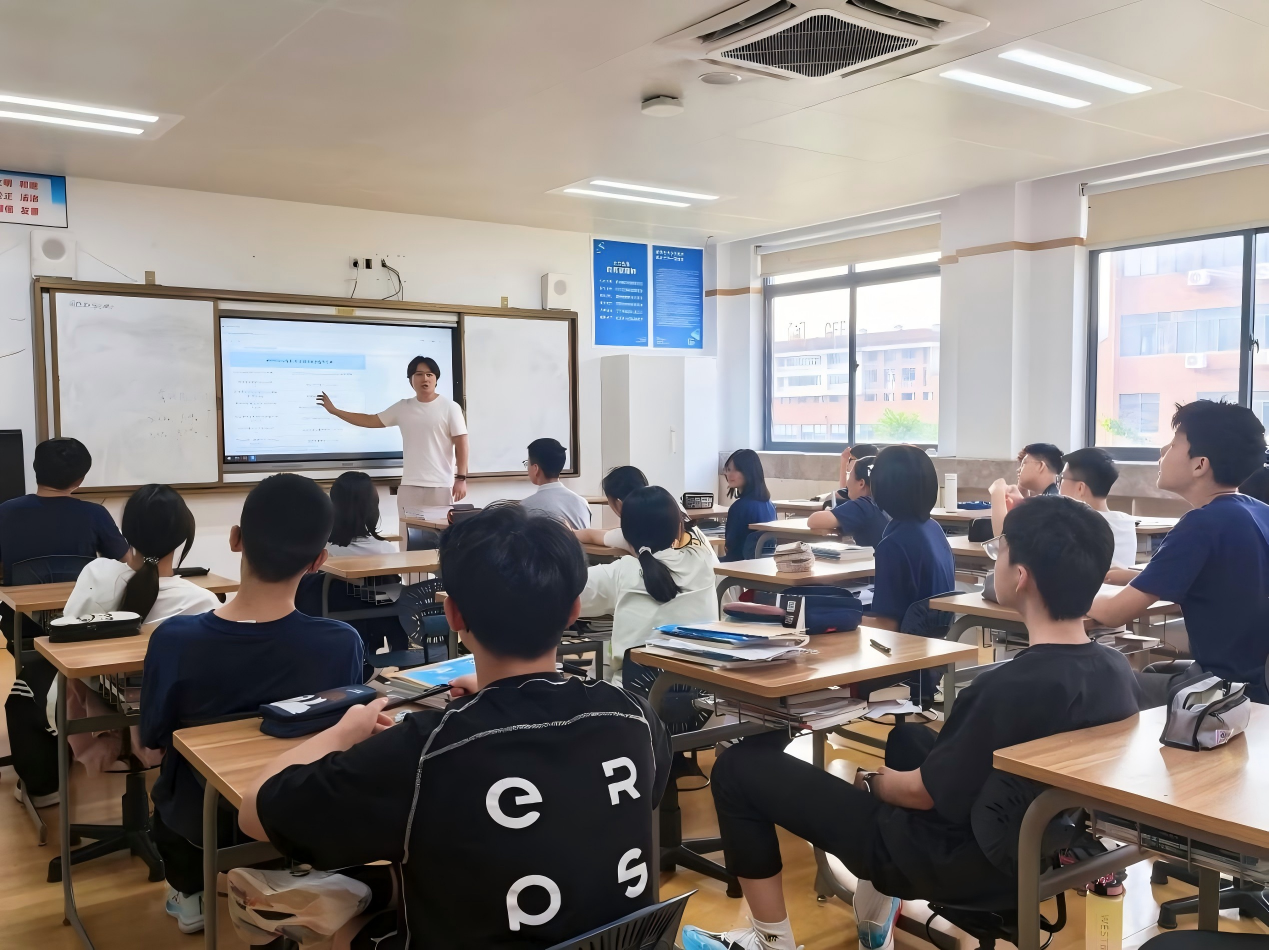
社区设计不是一次简单的任务,而是一场从真实需要出发的成长旅程。期待七八年级同学在导师陪伴下,用行动回应社区,用反思见证成长,在探究中解锁属于自己的卓越未来!
The Community Project is not a simple task, but a growth journey that starts from real needs. We look forward to Grades 7 and 8 students, with the support of their supervisors, responding to the community through action, witnessing growth through reflection, and unlocking their own excellent future through inquiry!

 中文简体


