
01 What is the Community Project?
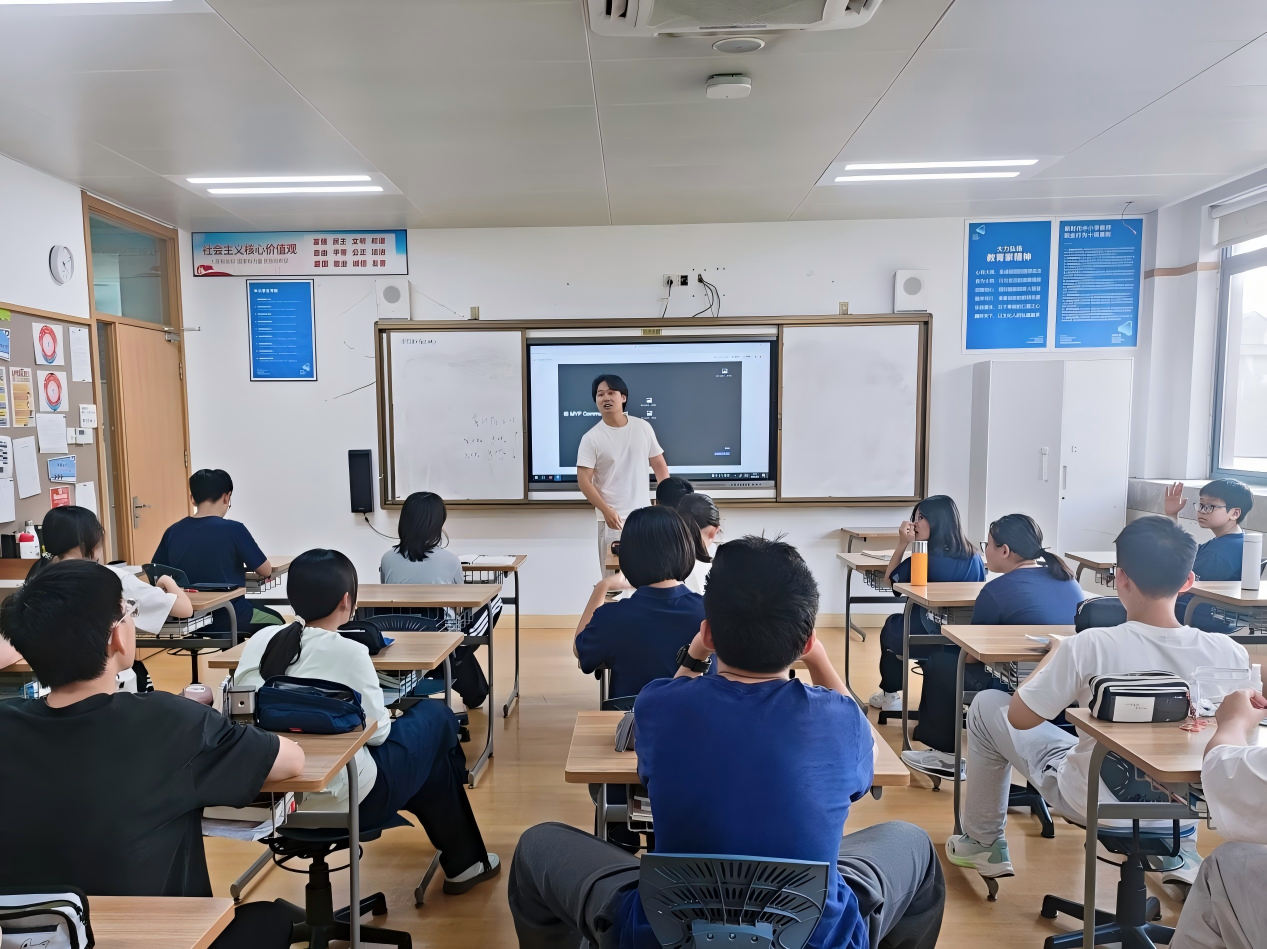
In schools where the programme ends in MYP year 3 or year 4, students must complete the Community Project in their final year, spending approximately 15 hours on meetings with supervisors, independent research, planning action and completing the report. It emphasizes active student inquiry rather than passive completion of tasks.
02 The Student's Role: Students Take the Lead, Supervisors Support
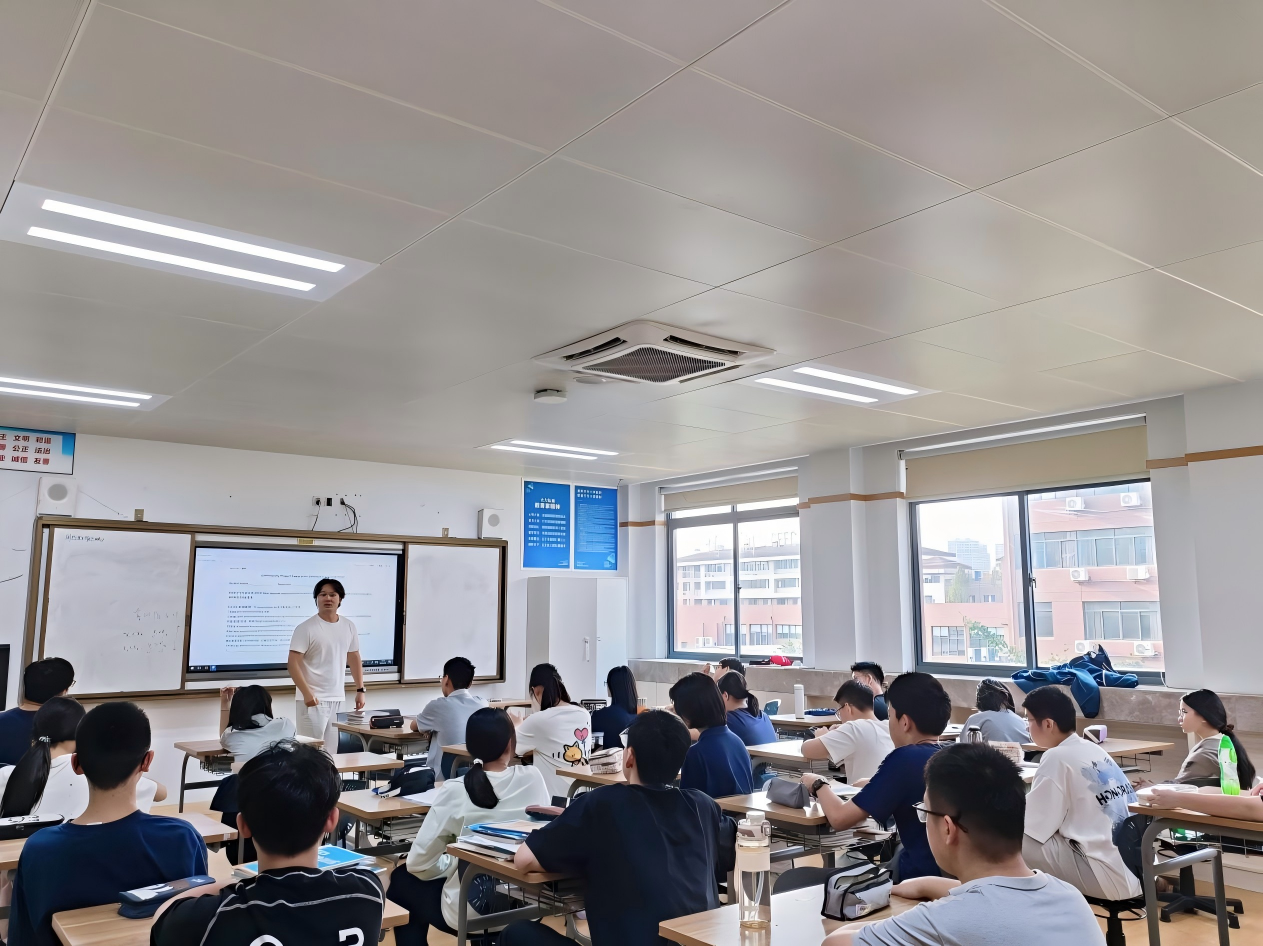
Students are expected to read the handbook, communicate proactively with their supervisors, advance the project on schedule, keep a process journal and follow academic honesty requirements. Supervisors provide guidance and feedback, but will not think or complete the project for students. The Student-Supervisor Matching Event helps students find suitable supervisors and begin their collaboration.
03 Types of Action: Serving the Community in Multiple Ways
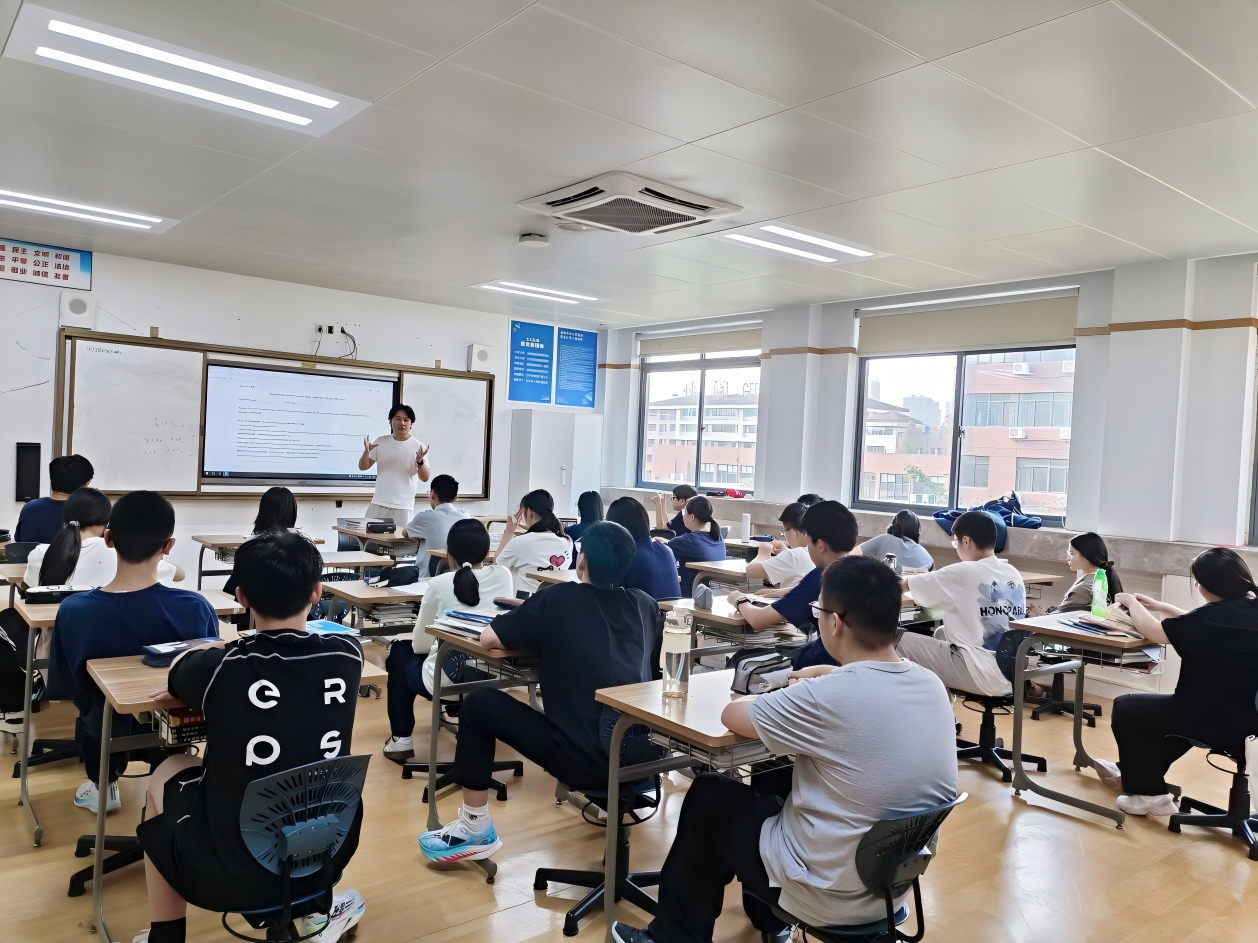
Community Project actions include Direct Service, Indirect Service, Advocacy and Research. Students can start from real needs related to people and the environment, community issues or public policy, and choose suitable service actions that connect learning with the community.
04 Inquiry Framework: Global Contexts and Core Questions
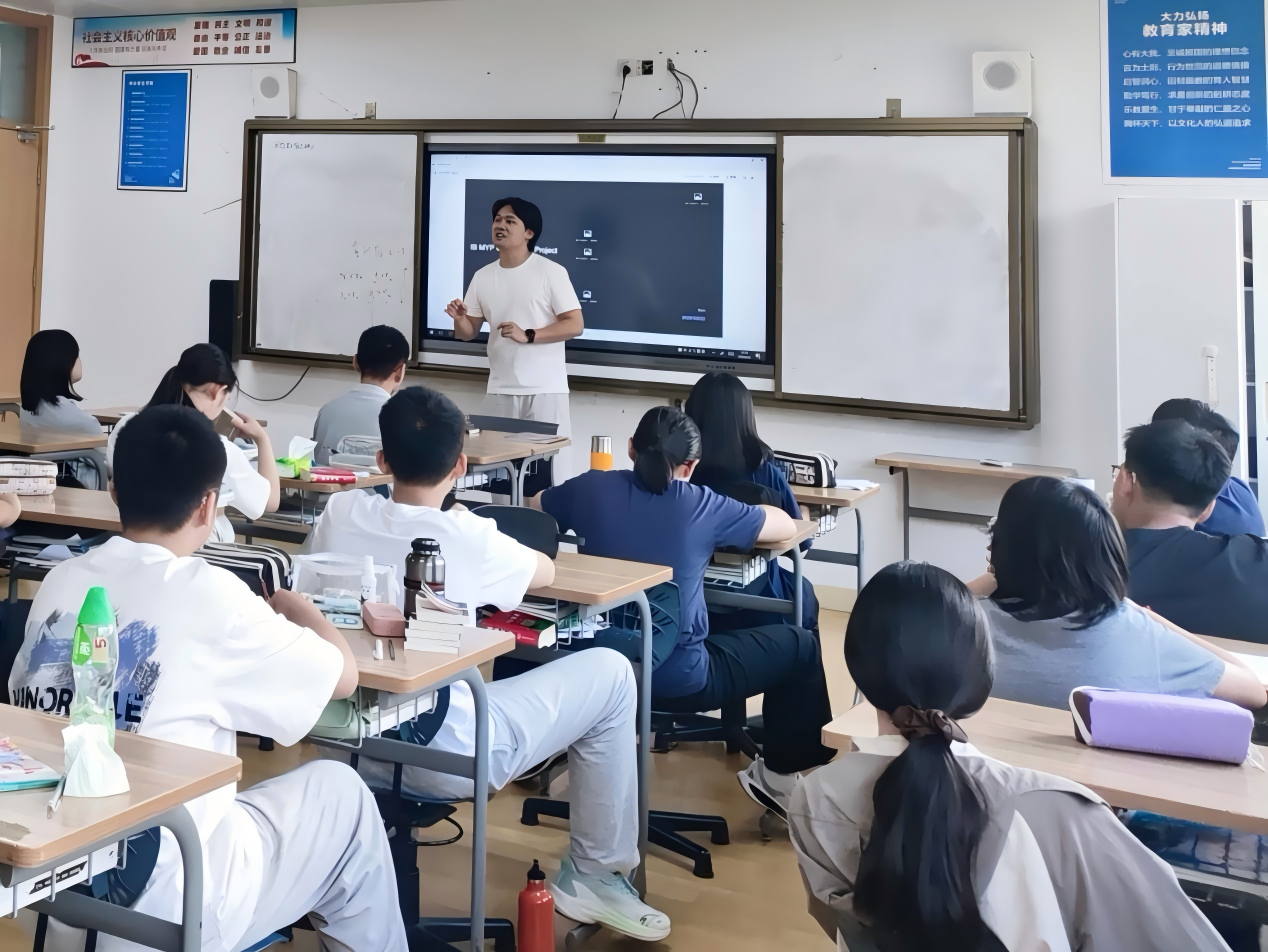
The Community Project is built on six Global Contexts: Identities and Relationships, Orientation in Space and Time, Personal and Cultural Expression, Scientific and Technical Innovation, Globalization and Sustainability, and Fairness and Development. Students need to keep asking: What goal do I want to achieve? Who do I want to understand what? What impact do I want to have? How can the context make my project more meaningful?
05 Process Journal: Recording Every Step of Growth
The Process Journal is used throughout the Community Project to record ideas, research, action, feedback and reflection. Formats can be flexible and varied, such as mind maps, notes, photos, audio, videos and screenshots. Finally, students need to select journal extracts and submit no more than 12 extracts in the report, which must include the Proposal for Action.
06 Assessment and Presentation: Making Ideas Visible
The Community Project is assessed against four objectives: Investigating, Planning, Taking Action and Reflecting. Students will complete a Community Project report and give an oral presentation: 6–10 minutes for individuals and 10–14 minutes for groups. The report should include the script, APA references, Process Journal extracts and the academic honesty form.
07 Timeline and Outlook: Progressing in Stages
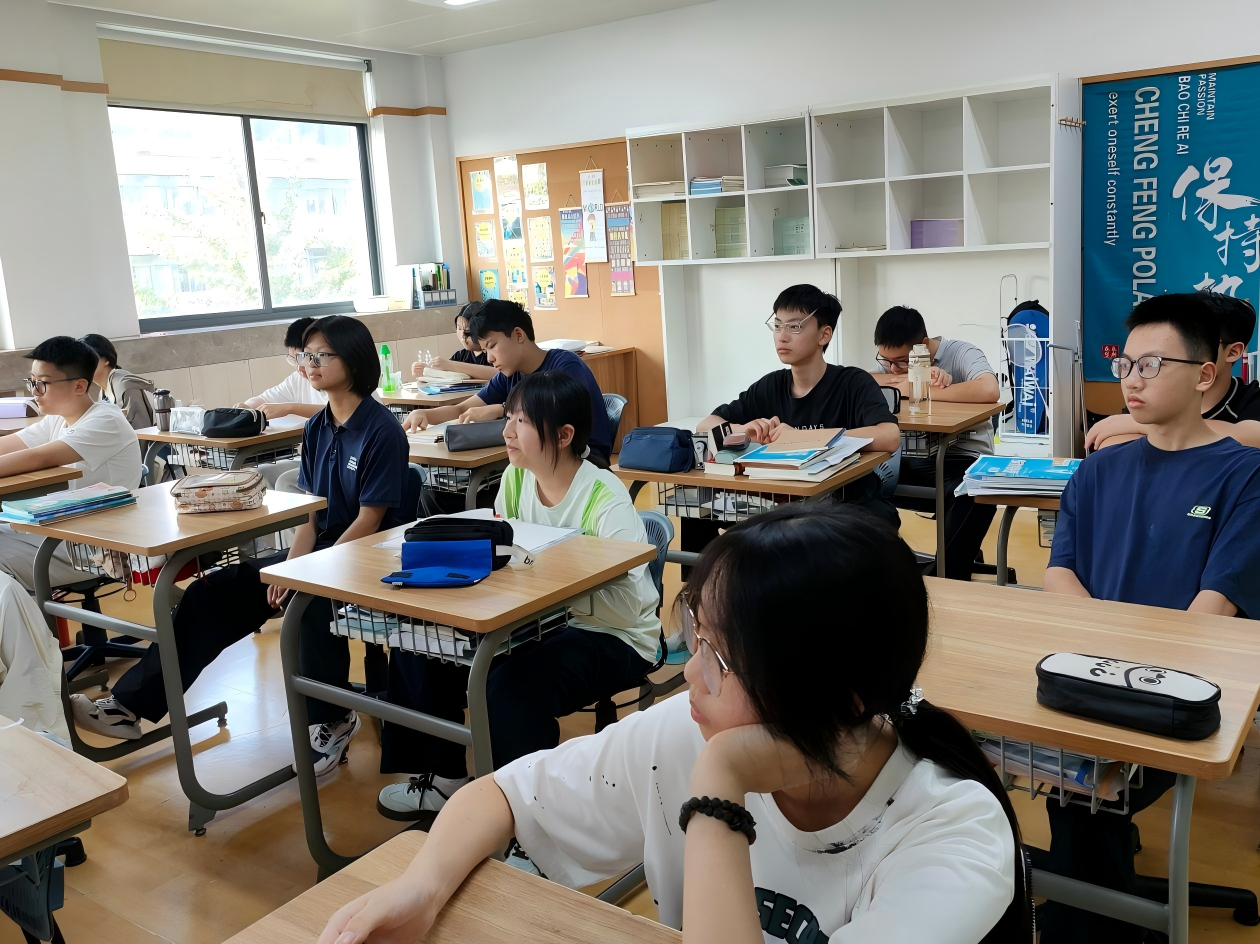
The Community Project will progress through stages including launch, investigation, planning, action, reflection, reporting and presentation. On January 8, 2026, we will hold the Community Project Exhibition to witness students' inquiry outcomes and community action.
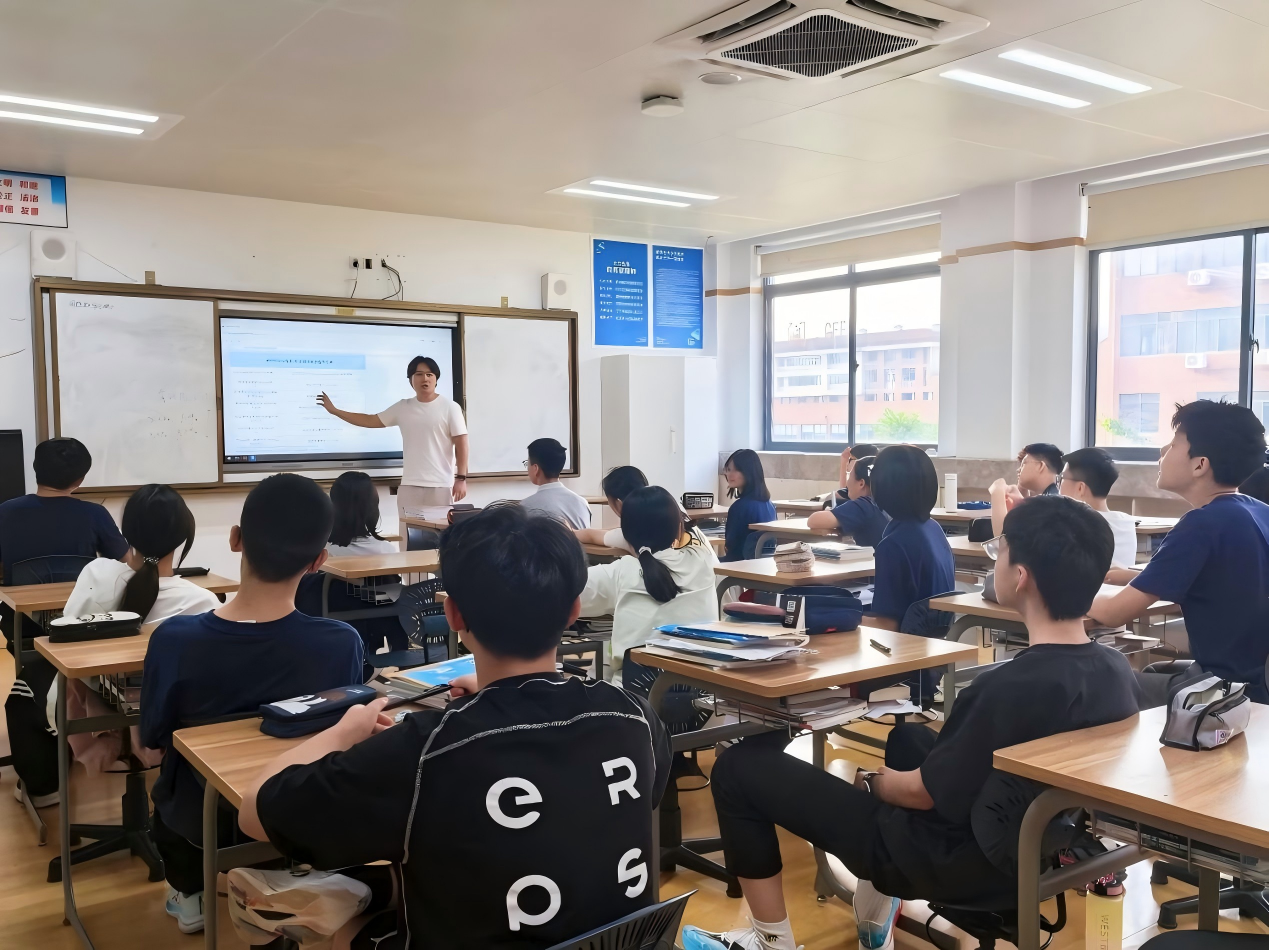
The Community Project is not a simple task, but a growth journey that starts from real needs. We look forward to Grades 7 and 8 students, with the support of their supervisors, responding to the community through action, witnessing growth through reflection, and unlocking their own excellent future through inquiry!

 English


